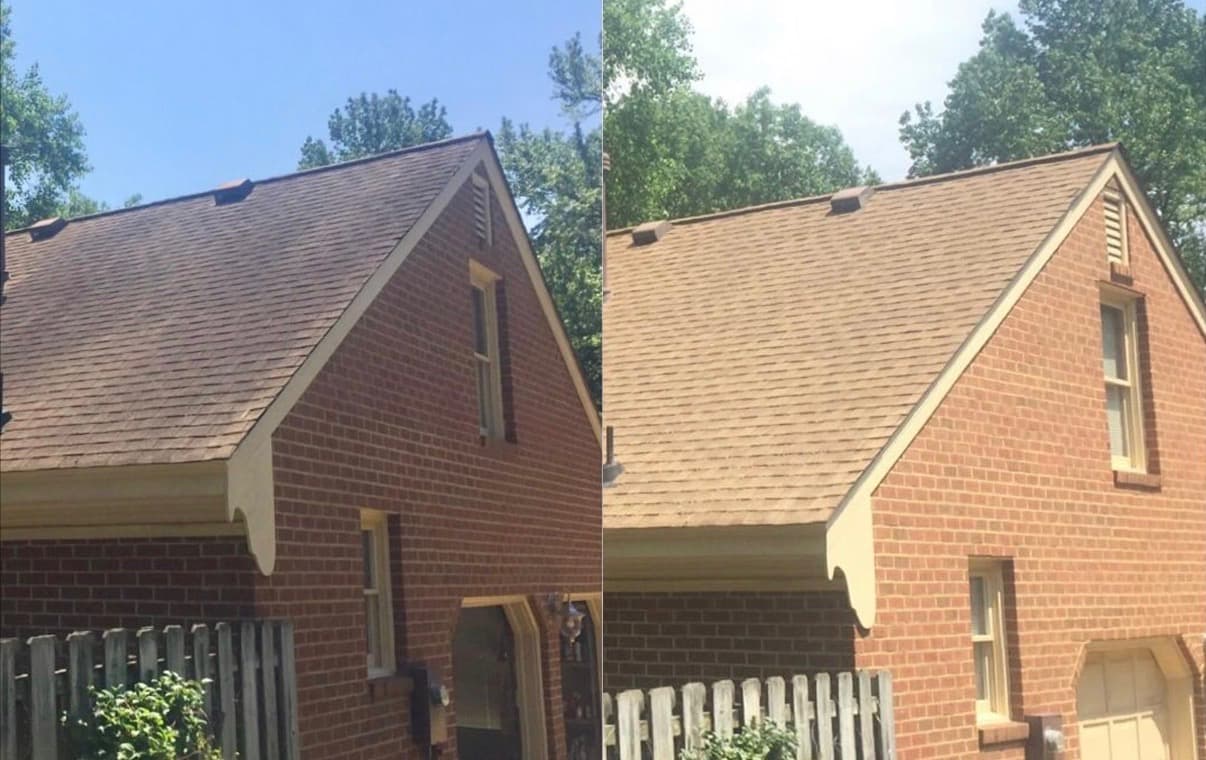
Your home's exterior quietly collects mold, algae, pollen, and dirt all year long. By the time you notice it, those contaminants have often been working away at your siding and paint for months. Soft washing is the safest, most effective way to restore your home — but how do you know when it's time?
Signs your home is due for a soft wash
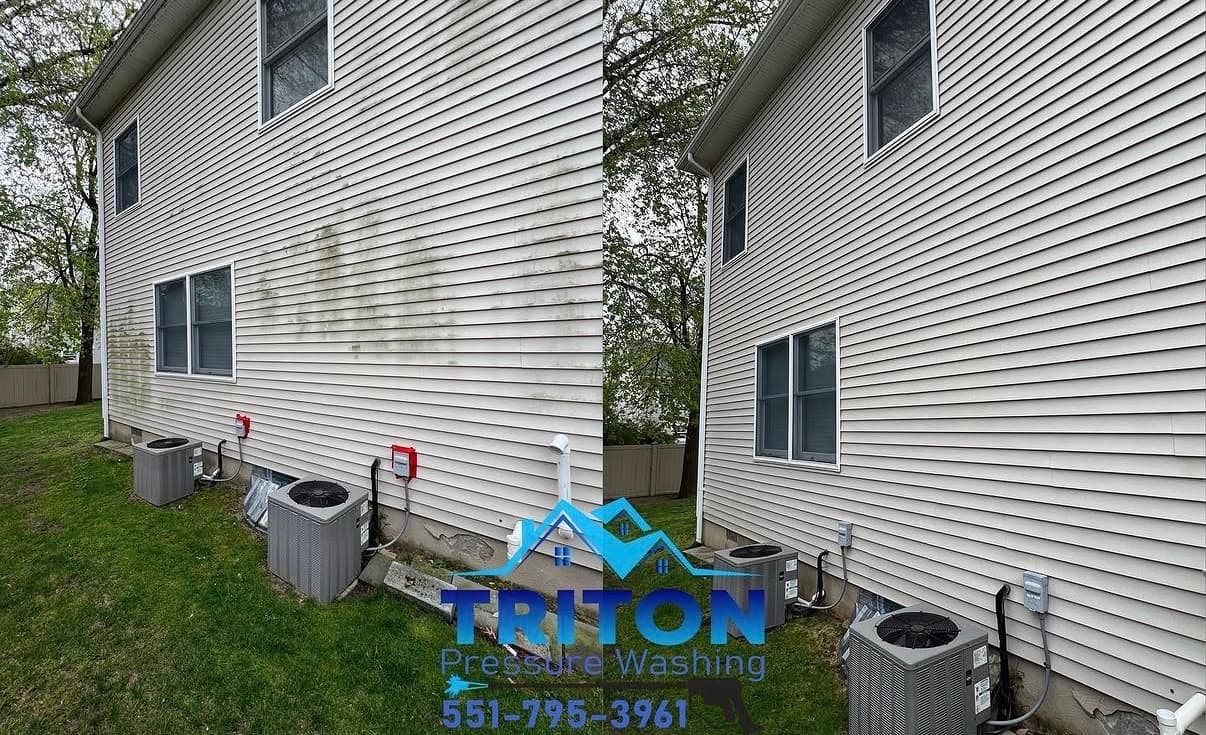
Green or black streaks on your siding are the clearest signal. These are colonies of algae and mildew feeding on moisture and organic material.
Other tell-tale signs include a dull, chalky appearance on vinyl or stucco, spider webs and wasp nests collecting under eaves, and a general 'grimy' look that a quick rinse won't fix.
If you suffer from seasonal allergies, heavy pollen and pollution buildup on your home can make symptoms worse — another reason to keep the exterior clean.
How often should you soft wash?
Most homes in Bergen County benefit from a soft wash every 1–2 years. Homes surrounded by trees, in shaded areas, or near water tend to grow algae faster and may need more frequent cleaning.
Because soft washing kills organic growth at the root rather than just rinsing the surface, the results last significantly longer than DIY pressure washing.
Why soft washing — not high pressure
High pressure can crack siding, force water behind panels, and strip paint. Soft washing uses low pressure plus professional cleaning solutions, which is the method siding manufacturers actually recommend.
At Triton, we protect every 'soft spot' — doorbell cameras, light fixtures, and hardware — and we shield your landscaping throughout the job. The result is a deep, lasting clean with zero risk to your home.
Related services
Have a project in mind? Get a free, no-obligation estimate from Triton.
Request a Free Estimate